Comprehending RO Water: The Principles of RO
Given issues over water quality keep increasing , many people are in search of effective remedies to make sure the water they drink is clean and safe . One such solution consists of RO water, that is produced via a method known as reverse osmosis. This technology has become popular in residences and businesses similarly , primarily owing to its capability to eliminate a variety of impurities from water, making it suitable for drinking .
In the following sections we will explore the definition of RO water , how the reverse osmosis process works , and the many benefits it offers for drinking water . Grasping these elements enables you to make informed choices pertaining to your water consumption and the technologies available for improving your health and well-being . Whether you are considering installing a reverse osmosis system or are simply wondering about its influence on the quality of drinking water, it is valuable to look into the benefits of RO water.
What is Reverse Osmosis?
RO is a water purification method that uses a semipermeable membrane to remove unwanted substances from liquid. This technology is rooted in the principle of osmosis, where H2O particles spontaneously move through a membrane from a zone of lower solute concentration to a region of increased solute concentration. In RO, this mechanism is inverted by using pressure to push water through the membrane, permitting only clean water to flow while discarding contaminants.
The reverse osmosis unit consists of several stages, typically including initial filtration, the osmosis membrane alone, and post-filtration. Pre-filters shield the membrane from big particles, chlorine, and other impurities, guaranteeing that the method runs efficiently. Once the water flows through the semipermeable membrane, it is further treated with post-filters to enhance flavor and quality before it is kept for drinking or other uses.
One of the key advantages of reverse osmosis is its capability to remove a wide range of dissolved solids, including salts, minerals, and even some microorganisms. This makes RO water a favored choice for households and industries that require high-quality water devoid of contaminants. As a consequence, reverse osmosis systems are widely used in homes, restaurants, and municipal water supplies to ensure access to secure drinking water.
The Technique of RO
Reverse osmosis is a water treatment technology that employs a partially permeable membrane to separate contaminants from water. The process begins by applying pressure to the water source, pushing it through the membrane. This membrane exclusively allows water molecules to pass while blocking larger molecules, such as salts, bacteria, and impurities. As a consequence, the water that comes out on the other side is significantly purer than the original source.
The system typically consists of multiple stages, including pre-filtration, reverse osmosis, and post-filtration. In the pre-filtration stage, larger particles are eliminated to extend the life of the membrane. Once the water enters the RO stage, it is under elevated pressure, leading to the separation of clean water from contaminants. After this, post-filtration ensures that any residual tastes or odors are washed out, resulting in fresh, safe water.
At the end, the purified water is stored in a tank, ready for consumption. The entire RO system is built to be effective and effective, providing households with consistent access to pure water. Comprehending this process helps consumers understand the quality of reverse osmosis water and its many benefits for wellness and wellness.
Benefits of RO Water
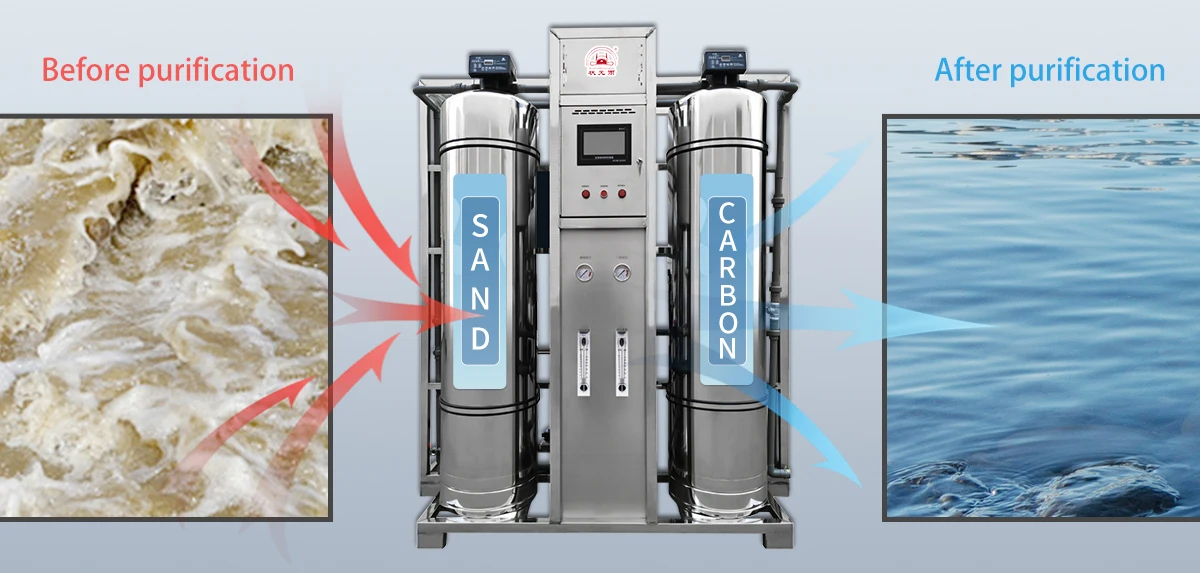
One significant advantage of RO water is its ability to effectively remove harmful contaminants. RO filtration is designed to filter out a multitude of impurities, including bacteria, pathogens, contaminating metals, and toxins such as bleach and fluorides. This ensures that the water you consume is not only free from impurities but also secure, providing peace of mind to households worried about water quality.
Another key benefit of RO water is its better taste and flavor. Many people find that the removal of offensive substances results in a fresher and more enjoyable drinking experience. This can be vital for individuals who do not enjoy the taste of faucet water due to the presence of chlorinated taste or other additives. With reverse osmosis, you can enjoy pure water that encourages better hydration.
In addition, RO water is beneficial for cooking. Using filtered water for cooking can boost the taste of meals and preserve the nutritional value of the ingredients. By using RO water in your daily activities, from drinking to cooking, you can contribute to a healthier lifestyle and enjoy the complete advantages of clean and delicious water.
Common Misconceptions About RO Water
One common myth about RO water is the belief that it lacks essential minerals, making it unhealthy to drink. While water suppliers does eliminate many minerals from the water, it is important to remember how our bodies primarily obtain necessary minerals from food sources. Additionally, many RO systems are engineered to remineralize the water after purification, guaranteeing that it still contains beneficial minerals for taste and health.
A further myth surrounding RO water is that it is overly acidic and can harm your health. Some users worry that drinking acidic water may cause health problems. Nonetheless, studies show that the pH levels of RO water are generally safe for consumption. The acidity is often comparable to tap water, and the body effectively regulates its internal pH levels, making claims about acidity misleading for the average consumer.
People often assume that all types of filtration systems function equally as well as reverse osmosis. While various filtration methods provide a certain level of purification, reverse osmosis is unique in its ability to remove a wider range of contaminants, including toxic metals, chlorine, and certain bacteria. This effectiveness in purifying water sets RO systems from others, making them a reliable choice for many households looking for safe drinking water.
Conclusion
In brief, RO water, created via the reverse osmosis method, delivers a reliable answer for guaranteeing availability of clean and safe drinking water. This method efficiently eliminates various impurities, such as dangerous substances and sediments, making it an ideal choice for families and persons interested in their water quality. Understanding the principles of reverse osmosis helps appreciate its effectiveness in delivering pure hydration.
The benefits of this filtration system extend beyond just purity. Numerous consumers find that reverse osmosis drinking water has a more pleasant taste, devoid of the chlorine and other chemicals often found in city water systems. Furthermore, by buying a reverse osmosis system, consumers can cut expenses in the long run compared to purchasing bottled water, while also promoting environmental sustainability through minimizing plastic usage.
Ultimately, embracing RO water as a lifestyle choice can lead to improved health and well-being. With its power to supply top-tier drinking water, reverse osmosis is an critical consideration for anyone looking to improve their hydration options and secure the quality of their water supply.